

If you think you may have been exposed to HIV, time matters. HIV post-exposure prophylaxis (PEP) is a short course of antiretroviral medicines used after a potential HIV exposure to reduce the chance of HIV infection.
The most important message is simple:
PEP should be started as soon as possible—ideally within 24 hours and no later than 72 hours after a potential HIV exposure.
If you have had unprotected sex, a condom broke, or another potentially significant exposure, do not wait for symptoms or a later HIV test before seeking professional advice about PEP.
What Is HIV PEP?
PEP stands for Post-Exposure Prophylaxis.
It involves taking antiretroviral medicines after a possible exposure to HIV to help prevent the virus from establishing an infection.
PEP is different from PrEP:
- PrEP is taken before potential HIV exposure.
- PEP is taken after a potential HIV exposure.
WHO recommends that PEP be started as early as possible, ideally within 24 hours and no later than 72 hours, when clinically indicated. A standard PEP course is 28 days.
Why Does Timing Matter?
HIV can begin establishing infection after exposure.
The sooner appropriate PEP is started, the better the opportunity to prevent HIV infection. WHO identifies timely access as the most crucial factor in PEP effectiveness.
Think of it this way:
Exposure happens → time starts running → seek medical assessment → start PEP promptly if indicated.
Waiting until the last possible moment is not recommended.
Ideally, don’t wait 72 hours. Act as soon as possible.
The 72-Hour PEP Window
The 72-hour window is extremely important.
If the exposure happened:
A few hours ago:
Seek medical advice now.
Yesterday:
Do not delay PEP assessment.
Within 48 hours:
Seek urgent medical evaluation.
Within 72 hours:
PEP may still be considered, but you should seek care immediately.
More than 72 hours ago:
PEP is generally not recommended after this window, but you should still seek medical advice for HIV testing, STI assessment, pregnancy concerns and appropriate follow-up. WHO guidance emphasizes providing other essential interventions and referrals when someone presents after the PEP window.
When Might PEP Be Considered?
PEP may be considered after a potential HIV exposure such as:
- Vaginal sex without a condom
- Anal sex without a condom
- A condom breaking or slipping during sex
- Sexual assault
- Exposure to potentially infectious blood
- Certain needle or injection-related exposures
Whether PEP is appropriate depends on the type of exposure, timing, source person’s HIV status and other clinical factors.
A healthcare professional should assess the exposure rather than trying to determine your risk from symptoms alone.
What If My Partner’s HIV Status Is Unknown?
An unknown HIV status does not automatically mean that PEP is required.
A healthcare professional will consider factors such as:
- Type of sexual exposure
- Time since exposure
- Whether a condom was used
- Whether the partner is known to have HIV
- Whether the partner is receiving effective HIV treatment
- Local HIV prevalence and other risk factors
If the exposure occurred within 72 hours, seek assessment promptly rather than trying to calculate the risk yourself.
What If My Partner Has HIV?
Having a partner living with HIV does not automatically mean HIV will be transmitted through sex.
People taking effective HIV treatment who maintain an undetectable viral load do not transmit HIV sexually.
However, if you do not know the partner’s viral load or treatment status and you have experienced a recent potentially significant exposure, seek professional advice promptly—especially if it has been less than 72 hours.
Should You Wait for an HIV Test Before Starting PEP?
No—not if PEP is indicated and testing results are taking time.
A baseline HIV test may be performed before or around the time PEP is started, but CDC guidance states that the first PEP dose should not be delayed while waiting for laboratory test results.
This is one reason why getting medical attention quickly is so important.
Does PEP Guarantee That You Won’t Get HIV?
No.
PEP significantly reduces the risk of HIV when appropriately used, but it is not a guarantee.
Its effectiveness depends on factors including:
- How quickly it is started
- Whether it is appropriate for the exposure
- Taking the medication correctly
- Completing the prescribed course
- Follow-up testing
WHO recommends a 28-day PEP course when PEP is prescribed.
What Happens During a PEP Assessment?
A healthcare professional may ask about:
- When the exposure occurred
- Type of sexual contact
- Condom use
- Whether the partner is known to have HIV
- Whether the partner is receiving HIV treatment
- Previous HIV testing
- Other medications
- Pregnancy possibility
- Other STI risks
Testing may include HIV testing and, depending on the circumstances, assessment for other STIs and pregnancy.
The exact evaluation should be individualized.
What About HIV Testing After PEP?
PEP and HIV testing go together.
An HIV test immediately after exposure cannot determine whether HIV was acquired from that very recent exposure.
Follow-up testing is therefore important.
Current CDC guidance recommends follow-up HIV testing after PEP, including testing around 4–6 weeks after starting PEP and a final follow-up around 12 weeks after starting PEP, using appropriate laboratory-based testing.
Your healthcare professional may adjust the testing plan according to your circumstances, the tests available and whether you completed PEP.
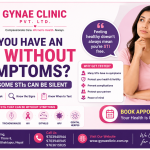
Can You Have HIV Without Symptoms?
Yes.
You cannot determine whether you have HIV simply by looking for symptoms.
Some people may develop flu-like symptoms during acute HIV infection, while others may have no noticeable symptoms.
Possible symptoms can include:
- Fever
- Rash
- Sore throat
- Swollen lymph nodes
- Fatigue
- Headache
- Muscle aches
But these symptoms can occur with many other illnesses.
Testing—not symptoms—is what determines HIV status.
What If More Than 72 Hours Have Passed?
Do not ignore the situation.
Although PEP is generally not recommended after the 72-hour window, medical evaluation can still be valuable.
A healthcare professional can discuss:
- HIV testing
- Follow-up HIV testing
- STI screening
- Pregnancy testing
- Hepatitis testing when appropriate
- Future HIV prevention options
- Other sexual health concerns
WHO specifically notes that people presenting after the PEP window should still be offered other essential interventions and appropriate referrals.
What About Other STIs?
PEP protects against HIV, not other sexually transmitted infections.
After unprotected sex, you may also need to consider testing for:
- Chlamydia
- Gonorrhea
- Syphilis
- Hepatitis B
- Hepatitis C
- Trichomoniasis
- Other STIs depending on the exposure
Some infections can cause no symptoms, so a woman can feel completely healthy and still have an STI.
What About Pregnancy After Unprotected Sex?
If pregnancy is possible, this needs to be considered separately.
Emergency contraception may be appropriate after unprotected intercourse, depending on the timing and individual circumstances.
PEP does not prevent pregnancy, and emergency contraception does not prevent HIV.
If both HIV exposure and pregnancy are concerns, discuss both with a healthcare professional as soon as possible.
What If the Exposure Was Sexual Assault?
If the exposure was non-consensual, seek urgent medical care.
A healthcare professional can assess:
- HIV PEP
- Pregnancy prevention
- STI testing
- Hepatitis B prevention
- Injuries
- Follow-up care
- Emotional support
You deserve confidential, respectful and non-judgmental care.
Common Mistakes After Possible HIV Exposure
❌ Waiting for symptoms
HIV cannot be ruled out based on symptoms.
❌ Waiting for the 72-hour deadline
The sooner PEP is started, the better.
❌ Waiting for an HIV test result before seeking PEP assessment
When PEP is indicated, the first dose should not be unnecessarily delayed while awaiting laboratory results.
❌ Taking someone else’s medication
PEP should be medically assessed and prescribed appropriately.
❌ Stopping PEP early without medical advice
If PEP is prescribed, take it exactly as directed and discuss problems or side effects with your healthcare professional.
❌ Forgetting follow-up testing
Completing PEP does not eliminate the need for appropriate follow-up.
PEP After Unprotected Sex: A Simple Timeline
0–24 hours
Act immediately. Seek professional assessment for PEP.
24–48 hours
PEP may still be appropriate. Do not delay.
48–72 hours
This is an urgent situation. Seek medical care immediately.
More than 72 hours
PEP is generally not recommended, but HIV testing, STI screening, pregnancy assessment and appropriate referrals may still be needed.
After starting PEP
Complete the prescribed 28-day course and follow the recommended HIV testing schedule.
PEP and HIV Prevention in Bhaktapur
If you have recently experienced a possible HIV exposure and are searching for HIV PEP guidance in Bhaktapur, professional assessment should not be delayed.
At Gynae Clinic Pvt. Ltd., women can discuss confidential sexual health concerns, HIV/STI testing and post-exposure care.
In many cases where specialized treatment, PEP services or additional care are required, we also provide appropriate referrals.
This means you can discuss your concern and receive guidance on the next appropriate step, even when a particular service needs to be obtained through another facility or specialist.
Frequently Asked Questions
How long after exposure can I take PEP?
PEP should be started as soon as possible and no later than 72 hours after a potential HIV exposure when clinically indicated.
Is PEP effective if taken after 48 hours?
PEP may still be considered within the 72-hour window, but earlier is better. Do not wait if you are concerned about a recent exposure.
Is PEP a 28-day treatment?
WHO recommends a 28-day prescription for PEP.
Can I take PEP after 72 hours?
PEP is generally not recommended after 72 hours. However, seek medical advice for testing, STI assessment, pregnancy concerns and other appropriate care.
Can I test for HIV immediately after exposure?
A baseline test can be useful, but it cannot rule out HIV acquired from that very recent exposure. Follow-up testing is important.
Does PEP prevent other STIs?
No. PEP is specifically intended to prevent HIV after a potential exposure. Other STI testing may be necessary.
Should I get tested if I have no symptoms?
Yes, if you have had a potentially concerning exposure. HIV and many other STIs can occur without noticeable symptoms.
Final Takeaway
PEP is a time-sensitive HIV prevention option.
If you think you may have been exposed to HIV:
Don’t wait for symptoms.
Don’t wait for tomorrow.
Don’t wait for the 72-hour deadline.
Seek medical advice as soon as possible.
WHO recommends starting PEP ideally within 24 hours and no later than 72 hours after a potential HIV exposure. A 28-day course is recommended when PEP is prescribed.
At Gynae Clinic Pvt. Ltd., Bhaktapur, you can discuss your exposure confidentially, receive guidance regarding HIV/STI testing and, where specialized PEP or other services are required, appropriate referrals can also be provided in many cases.
Confidential HIV & Sexual Health Consultation in Bhaktapur
Gynae Clinic Pvt. Ltd.
Address: Bode Planning, Madhyapur Thimi-9, Pani Tanki, Bhaktapur, Nepal
Website: www.gynaeclinic.com.np
Contact:
9703940944
9703940945
9763615835
Confidential women’s sexual health, HIV/STI testing guidance and gynecological consultation.
Referral support available in many cases when additional specialized care is required.
Medical Disclaimer: This article is for educational purposes and does not replace an individual medical assessment. PEP suitability depends on the type of exposure, timing, source risk and other clinical factors. If a possible HIV exposure occurred within the last 72 hours, seek urgent medical advice.
Author; Gynae Clinic Pvt. Ltd.