
Trying to become pregnant can be an exciting journey, but when pregnancy does not happen as expected, it can also bring stress, confusion and many unanswered questions.
You may be searching for the best fertility clinic in Bhaktapur, a fertility doctor near Madhyapur Thimi, female infertility treatment in Bhaktapur, PCOS and fertility care, or professional guidance about why pregnancy is taking longer than expected.
The first step is not to assume that the problem is caused by only one partner—or to start treatment without understanding the possible cause.
A good fertility evaluation looks at the complete picture. This may include menstrual history, ovulation, hormonal health, reproductive history, ultrasound findings and, when appropriate, evaluation of male fertility factors.
At Gynae Clinic Pvt. Ltd., women can seek professional gynecology and reproductive health consultation for fertility concerns in a private and supportive clinical environment in Bhaktapur.
Fertility Care Starts With Understanding the Cause
Fertility problems can have different causes.
Sometimes the cause may be related to ovulation. In other situations, hormonal conditions, PCOS, uterine conditions, fallopian tube problems, endometriosis, age-related changes or male fertility factors may play a role.
Sometimes more than one factor can contribute.
This is why fertility care should begin with a proper evaluation rather than assuming that one specific test or medicine will solve every fertility problem.
If you are already experiencing irregular or missed periods, you may also find our guide on irregular period treatment in Bhaktapur helpful.
Irregular Period Treatment in Bhaktapur
When Should You Consider a Fertility Evaluation?
For many couples, an infertility evaluation is generally considered after:
- 12 months of regular unprotected intercourse without pregnancy when the female partner is under 35
- 6 months of trying when the female partner is 35 or older
- Earlier evaluation when there are known factors that may affect fertility
- More immediate evaluation may be appropriate in some circumstances, including increasing reproductive age or known fertility-related conditions.
You may also benefit from earlier consultation if you have:
- Very irregular periods
- Absent periods
- Known or suspected PCOS
- Symptoms suggesting irregular ovulation
- Previous pelvic infections
- Known endometriosis
- Previous reproductive health concerns
- Previous pregnancy complications affecting future fertility
- Concerns about male fertility
Early evaluation does not automatically mean that advanced fertility treatment will be necessary.
In some cases, identifying and addressing an underlying issue may be the most important first step.
Featured Image
Recommended placement: Directly below the title
Image concept:
A premium, realistic women’s healthcare consultation scene showing a couple discussing fertility and pregnancy planning with a compassionate female gynecology professional. Clean modern clinic environment, elegant pink, blush and white color palette, natural lighting, professional and hopeful atmosphere.
What Causes Difficulty Getting Pregnant?
There is no single explanation for every couple.
A fertility evaluation may consider factors affecting both female and male reproductive health.
1. Ovulation Problems
Ovulation is an important part of natural conception.
If ovulation does not happen regularly, the chances of pregnancy may be affected.
Possible signs of irregular ovulation can include:
- Irregular periods
- Very long menstrual cycles
- Missed periods
- Unpredictable cycles
- Very few periods during the year
Conditions such as PCOS and some hormonal disorders can affect ovulation.
For women with PCOS, understanding ovulation is particularly important when planning pregnancy.
PCOS and Ovulation: How Does PCOS Affect Fertility?
2. PCOS and Fertility
PCOS is one of the conditions that can affect ovulation.
Women with PCOS may experience:
- Irregular periods
- Infrequent ovulation
- Difficulty predicting fertile days
- Acne
- Excess facial or body hair
- Hair thinning
- Weight or metabolic changes
However, having PCOS does not mean that pregnancy is impossible.
Many women with PCOS can become pregnant. The appropriate approach depends on factors such as whether ovulation is occurring, menstrual patterns, age, general health and other fertility factors.
For a complete guide, read:
PCOS Symptoms and Treatment in Nepal
3. Hormonal Factors
Hormones play an important role in the menstrual cycle and ovulation.
Depending on individual symptoms and medical history, a fertility evaluation may consider whether hormonal factors are affecting reproductive health.
Potential areas that may require evaluation can include:
- Ovulatory hormones
- Thyroid function
- Prolactin and other relevant hormonal factors
Not every person requires the same tests.
Appropriate testing should depend on the individual’s symptoms and medical history.
For more information, visit:
Hormonal Imbalance in Women: Symptoms, Causes, Tests and Treatment in Bhaktapur
4. Uterine or Fallopian Tube Factors
The uterus and fallopian tubes can also affect fertility.
Depending on the situation, doctors may consider whether structural or reproductive conditions could be contributing to difficulty becoming pregnant.
The type of investigation needed depends on the individual situation.
Not every woman trying to conceive requires every possible fertility test.
A systematic evaluation generally considers ovulation, the female reproductive tract and, when applicable, semen evaluation of the male partner.
5. Male Fertility Factors
Fertility concerns are not always caused by the woman.
Male fertility factors can also contribute to difficulty becoming pregnant.
For this reason, evaluation of both partners may be important rather than focusing entirely on female fertility.
When clinically appropriate, male fertility assessment can include semen analysis and further medical evaluation based on the findings.
What Happens During a Fertility Consultation?
A good fertility consultation should begin with understanding your individual situation.
Questions may include:
- How long have you been trying to conceive?
- Are your periods regular?
- How long is your usual menstrual cycle?
- Have you ever been pregnant before?
- Have you experienced miscarriage or pregnancy complications?
- Do you have PCOS or hormonal concerns?
- Do you experience pelvic pain?
- Have you previously had pelvic infections or reproductive surgery?
- Are you currently taking medications?
- Does your partner have any known fertility concerns?
The purpose of this discussion is to identify which factors may need further evaluation.
Fertility Tests for Women in Bhaktapur
There is no single fertility test that can answer every question about reproductive health.
A fertility evaluation may include selected tests based on your symptoms, age, menstrual history and medical background.
Possible investigations may include:
Hormone Testing
Selected blood tests may help evaluate hormonal factors that can affect ovulation and reproductive health.
The specific tests depend on the individual situation.
Ovulation Assessment
For women with irregular periods or suspected ovulation problems, evaluation may help determine whether ovulation is occurring regularly.
Women with predictable cycles may not require the same type of ovulation assessment as women with very irregular or absent periods.
Pelvic Ultrasound
Ultrasound may be useful in selected fertility evaluations.
It can provide information about the uterus, ovaries and other pelvic structures.
Ultrasound may also be relevant when evaluating conditions such as PCOS or certain uterine and ovarian concerns.
Ovarian Reserve Assessment
Some fertility assessments may include tests that provide information about ovarian reserve.
These results should always be interpreted in context.
A single test result should not be viewed as a complete prediction of whether a woman can or cannot become pregnant.
For a detailed explanation, read:
Fertility Tests for Women | Female Fertility Testing in Bhaktapur
Image 2
Recommended placement: After the fertility tests section
Image concept:
A clean medical editorial illustration showing the female reproductive system with subtle visual elements representing ovulation, hormones, ultrasound and fertility assessment. Premium pink, rose and white colors. Simple, modern and medically professional.
Fertility and Irregular Periods
Your menstrual cycle can provide useful information about reproductive health.
Regular periods do not guarantee fertility, and irregular periods do not automatically mean that pregnancy is impossible.
However, significantly irregular cycles may sometimes suggest that ovulation is not occurring regularly.
Women planning pregnancy who experience:
- Long gaps between periods
- Frequently missed periods
- Highly unpredictable cycles
- Very irregular menstrual patterns
may benefit from discussing these symptoms with a gynecology professional.
If your periods are irregular, you can also read:
Irregular Period Treatment in Bhaktapur: Causes, PCOS and Hormonal Problems
Choosing the Best Fertility Clinic in Bhaktapur: What Should You Look For?
When searching online for the best fertility clinic in Bhaktapur, it is important to look beyond marketing claims.
A good fertility consultation should provide an approach that is appropriate for your individual situation.
Consider the following.
1. Proper Evaluation Before Treatment
Fertility treatment should not begin with assumptions.
A careful assessment helps identify possible factors affecting fertility and guides the next appropriate step.
2. Attention to Both Partners
Fertility concerns can involve female factors, male factors or a combination of both.
When appropriate, both partners should be considered during the fertility evaluation.
3. Understanding of PCOS and Ovulation
PCOS and ovulatory problems can be important considerations for women experiencing irregular periods or difficulty becoming pregnant.
A fertility-focused consultation should consider menstrual patterns and ovulation rather than focusing on a single symptom.
4. Appropriate Diagnostic Guidance
Not everyone needs every possible fertility test.
The appropriate investigation depends on age, symptoms, reproductive history and clinical findings.
A personalized approach can help avoid unnecessary testing while ensuring important concerns are not overlooked.
5. Clear Communication
Fertility concerns can be emotionally stressful.
A supportive consultation should help patients understand:
- What may be affecting fertility
- Which tests may be useful
- Why a particular test is recommended
- What the results may mean
- What possible next steps may be appropriate
Fertility Treatment Depends on the Cause
There is no single fertility treatment suitable for every person.
The appropriate approach depends on the underlying cause and individual circumstances.
Management may involve:
- Addressing ovulation problems
- Managing PCOS or hormonal conditions
- Treating relevant reproductive health conditions
- Lifestyle guidance where appropriate
- Pregnancy planning guidance
- Further fertility evaluation
- Advanced specialist care when required
Fertility care should be individualized rather than based solely on one laboratory result, online advice or a standard treatment plan.
Current evidence-based guidance also emphasizes a structured approach to diagnosing and managing infertility according to the underlying cause.
Can Lifestyle Affect Fertility?
Lifestyle and general health can influence reproductive health.
Depending on the individual situation, healthy fertility planning may include attention to:
- Balanced nutrition
- Physical activity
- Sleep
- Stress management
- Avoiding tobacco exposure
- Maintaining overall health
- Managing existing medical conditions
However, lifestyle changes should not replace medical evaluation when there are clear fertility concerns.
For example, very irregular periods, absent periods or prolonged difficulty conceiving may require professional assessment.
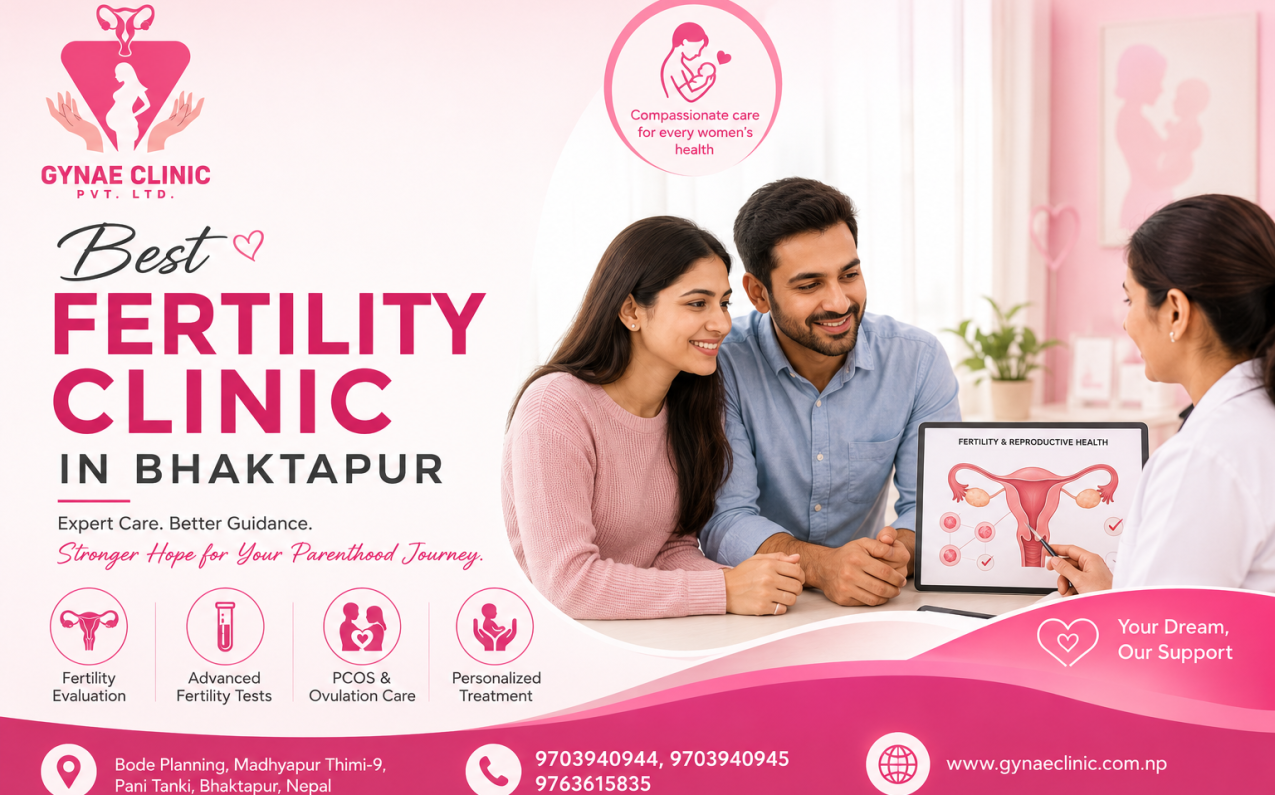
Image 3
Recommended placement: Before the FAQ section
Image concept:
A hopeful, premium fertility consultation scene showing a couple receiving compassionate guidance from a female gynecology professional. The image should communicate trust, privacy, hope and personalized reproductive healthcare. Modern private clinic setting with elegant soft-pink branding.
Frequently Asked Questions About Fertility
How long should we try before seeking fertility help?
For many couples, evaluation is generally considered after 12 months of regular unprotected intercourse without pregnancy when the female partner is under 35, and after 6 months when the female partner is 35 or older. Earlier evaluation may be appropriate when there are known fertility concerns.
Can PCOS cause infertility?
PCOS can affect ovulation and may make it more difficult for some women to become pregnant.
However, PCOS does not mean pregnancy is impossible.
The appropriate approach depends on whether ovulation is occurring and whether other fertility factors are present.
Can irregular periods make it difficult to become pregnant?
They can sometimes make pregnancy more difficult because irregular periods may be associated with irregular ovulation.
However, pregnancy is still possible with irregular cycles.
A fertility evaluation can help determine whether ovulation or another factor may be involved.
Does AMH alone tell me whether I can get pregnant?
No single test can completely predict an individual’s ability to become pregnant.
Tests related to ovarian reserve should be interpreted together with age, reproductive history and other fertility findings.
Is infertility always caused by the woman?
No.
Fertility difficulties can involve female factors, male factors, a combination of factors or, in some cases, no clear cause may initially be identified.
Do both partners need fertility testing?
In many situations, evaluation of both partners can be important because fertility concerns may involve either partner.
The type of testing depends on the individual circumstances.
Can a woman become pregnant with PCOS?
Yes.
Many women with PCOS become pregnant.
Because PCOS can affect ovulation differently from person to person, appropriate evaluation and management should be individualized.
Fertility Consultation in Bhaktapur and Madhyapur Thimi
If you are searching for:
- Best fertility clinic in Bhaktapur
- Fertility consultation in Bhaktapur
- Female infertility treatment in Bhaktapur
- Fertility doctor near Madhyapur Thimi
- PCOS and fertility consultation
- Fertility tests for women in Bhaktapur
- Irregular periods and pregnancy problems
- Pregnancy planning consultation
- Female gynecology clinic near Bode
- Fertility consultation near Gatthaghar
- Fertility care near Sallaghari
- Gynecology consultation near Lokanthali
- Fertility guidance near Jadibuti
- Fertility consultation near Koteshwor
- Women’s health clinic serving Banepa and Dhulikhel
you can seek professional gynecology and reproductive health consultation at Gynae Clinic Pvt. Ltd.
Gynae Clinic Pvt. Ltd.
Address:
Bode Planning, Madhyapur Thimi-9, Pani Tanki, Bhaktapur, Nepal
Appointments and Inquiries:
9703940944
9703940945
9763615835
Website:
Gynae Clinic Pvt. Ltd. Official Website
Women can also explore our existing guide:
Infertility Treatment in Bhaktapur: Causes, Fertility Tests and Treatment
Final Thoughts
Choosing the best fertility clinic is not only about finding the highest-ranking name online.
The most important factors are proper evaluation, understanding the possible cause of fertility difficulties, appropriate testing, clear communication and an individualized approach.
If you have been trying to conceive without success, have irregular periods, suspect PCOS, or have concerns about your reproductive health, seeking professional guidance can help you better understand your next step.
At Gynae Clinic Pvt. Ltd., women can seek gynecology, reproductive health and fertility consultation in a private and supportive environment in Bhaktapur.
Every fertility journey is different.
Understanding the cause is often the first step toward making an informed decision about what to do next.
Medical Disclaimer
This article is for general educational purposes and does not replace an individual medical consultation, diagnosis or treatment plan. Fertility concerns can have different causes and appropriate evaluation depends on age, menstrual history, reproductive history, symptoms and other individual factors. Certain complex conditions may benefit from advanced specialist care.
Author: Gynae Clinic Pvt. Ltd.