
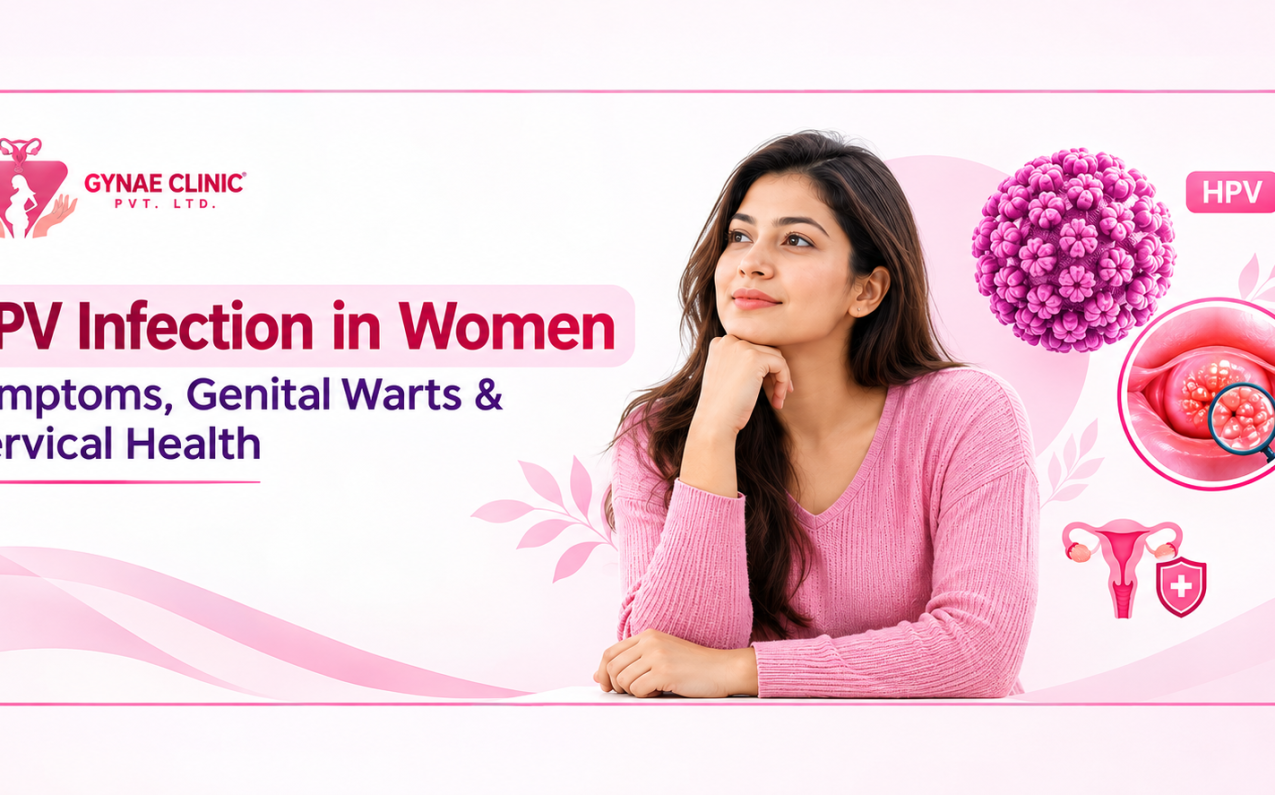
Human papillomavirus (HPV) is one of the most common sexually transmitted infections (STIs) affecting women. HPV can cause genital warts and, in some cases, persistent infection with high-risk HPV types can lead to abnormal cervical cell changes and cervical cancer.
The good news is that most HPV infections do not cause serious health problems and many clear naturally. Regular cervical cancer screening, HPV vaccination, and timely medical follow-up can play an important role in protecting women’s health.
If you are concerned about HPV infection in women, genital warts, an abnormal Pap test, or cervical health, consulting a qualified gynecologist can help you understand your individual risk and the appropriate next steps.
What Is HPV?
Human papillomavirus is a group of more than 200 related viruses. HPV can infect the skin and mucous membranes, including the genital area.
HPV is mainly transmitted through intimate skin-to-skin contact, including vaginal, anal, and oral sexual contact. A person can transmit HPV even when they have no visible symptoms.
There are many different HPV types. Some are considered low-risk HPV types, which can cause genital warts, while certain high-risk HPV types can cause persistent cervical cell changes that may eventually lead to cervical cancer.
HPV Infection in Women: Common Symptoms
Most HPV infections cause no noticeable symptoms.
A woman may have HPV without knowing that she has it. In many cases, the immune system clears the infection naturally.
When symptoms do occur, they may include:
- Genital warts
- Small bumps around the vulva or vagina
- Warts around the anus
- Warts in the genital or anal area
- Abnormal cervical screening results
High-risk HPV infection itself usually does not produce specific symptoms. This is why cervical cancer screening is important even when a woman feels completely healthy.
What Are Genital Warts?
Genital warts are usually caused by certain low-risk types of HPV.
They may appear as:
- Small flesh-colored or pink bumps
- Single or multiple growths
- Flat or raised lesions
- Clustered growths that may have an irregular or cauliflower-like appearance
Genital warts can occur around the vulva, vagina, cervix, anus, or surrounding skin.
Some women may experience itching, irritation, discomfort, or bleeding from irritated warts, although many genital warts cause no pain.
Do Genital Warts Cause Cervical Cancer?
Usually, the HPV types that cause genital warts are different from the high-risk HPV types associated with cervical cancer.
However, having genital warts does not mean that a woman cannot also have another HPV type. Appropriate cervical cancer screening should therefore continue according to medical recommendations.
High-Risk HPV and Cervical Health
Certain HPV types are known as high-risk HPV types because persistent infection can cause changes in cervical cells.
In some women, these abnormal cells may gradually develop into cervical precancer and, if left undetected and untreated for years, cervical cancer.
This process usually takes time. Regular screening can identify HPV infection or abnormal cervical cells before cancer develops.
Can HPV Cause Cervical Cancer?
Yes. Persistent infection with certain high-risk HPV types is the main cause of cervical cancer.
However, having HPV does not mean that you have cervical cancer.
Most women with HPV do not develop cervical cancer. The concern is persistent infection with high-risk HPV and the development of abnormal cervical cells.
This is why screening and appropriate follow-up are so important.
HPV Test and Cervical Cancer Screening
An HPV test checks for high-risk HPV types associated with cervical cancer.
Depending on age, medical history, previous screening results, and local screening recommendations, cervical cancer screening may involve:
- HPV testing
- Pap testing
- HPV and Pap co-testing
- Follow-up examinations such as colposcopy when indicated
Your gynecologist can recommend the most appropriate screening method and schedule for you.
Who Should Consider HPV Screening?
Screening recommendations vary according to age and individual risk.
Women who may need cervical cancer screening or individualized screening advice include:
- Women in the recommended age group for routine cervical screening
- Women who have never had cervical cancer screening
- Women with a previous positive HPV test
- Women with an abnormal Pap test
- Women with a history of cervical precancer
- Women who have undergone treatment for abnormal cervical cells
- Women with certain conditions that weaken the immune system
Women who have previously had abnormal screening results may require closer follow-up than women at average risk.
What Happens During an HPV Test?
HPV testing is generally performed during a gynecological examination.
A healthcare professional gently places a speculum to view the cervix and collects a sample of cervical cells using a small brush or collection device.
The sample is then sent to a laboratory for testing.
The procedure is usually quick. Some women may experience mild pressure or temporary discomfort.
What Does a Positive HPV Test Mean?
A positive high-risk HPV test does not mean you have cervical cancer.
It means that a high-risk HPV type has been detected.
Depending on your age, HPV result, previous screening history, and clinical findings, your doctor may recommend:
- Repeat HPV testing after an appropriate interval
- Pap or cervical cytology testing
- Additional testing
- Colposcopy
- Cervical biopsy when clinically indicated
Following your recommended follow-up is important because persistent high-risk HPV infection can increase the risk of cervical precancer.
Can HPV Infection Go Away?
Yes. Many HPV infections are temporary.
In many women, the immune system controls or clears the infection naturally without causing serious health problems.
However, some high-risk HPV infections can persist. Persistent infection is the main concern because it can lead to abnormal cervical cell changes over time.
Regular screening helps identify women who need closer monitoring or treatment.
Is There Treatment for HPV?
There is currently no medicine that directly eliminates HPV from the body.
Treatment focuses on the health problems caused by HPV.
For example:
- Genital warts can be treated with appropriate medical treatments or procedures.
- Abnormal cervical cells can be monitored or treated depending on their severity.
- Cervical precancer can often be treated successfully before it progresses to cancer.
Do not attempt to remove genital warts yourself or use over-the-counter wart treatments intended for other areas of the body on the genital area.
HPV Prevention
Although HPV is very common, several measures can reduce the risk of infection and HPV-related health problems.
1. HPV Vaccination
HPV vaccination helps protect against important HPV types associated with genital warts and HPV-related cancers.
Vaccination is most effective when given before exposure to HPV, but eligible individuals may still benefit from vaccination later depending on age and individual circumstances.
HPV vaccination does not eliminate the need for cervical cancer screening.
2. Safer Sexual Practices
Condoms and other barrier methods can reduce the risk of HPV transmission, although they cannot provide complete protection because HPV can infect areas of skin that are not covered.
Limiting the number of sexual partners can also reduce the likelihood of HPV exposure.
3. Regular Cervical Cancer Screening
Screening is one of the most important ways to prevent cervical cancer.
Screening can identify high-risk HPV infection or abnormal cervical cells before cervical cancer develops.
4. Follow Up After an Abnormal Result
If you receive a positive HPV result or abnormal Pap result, do not panic and do not ignore it.
Follow the recommended medical follow-up. Early evaluation and treatment of cervical precancer can prevent progression to cervical cancer.
HPV During Pregnancy
HPV is common among women of reproductive age and does not usually prevent pregnancy.
Genital warts may sometimes change during pregnancy because of hormonal and immune changes.
If you are pregnant and have genital warts, an HPV diagnosis, or an abnormal cervical screening result, inform your obstetrician or gynecologist so that appropriate management can be planned.
When Should a Woman See a Gynecologist?
Consider seeing a gynecologist if you have:
- New genital warts or unusual genital growths
- Genital itching or irritation associated with growths
- An abnormal Pap test
- A positive HPV test
- A history of cervical precancer
- A previous HPV-related condition
- Unusual vaginal bleeding
- Bleeding after sexual intercourse
- Persistent unusual vaginal discharge
- Pelvic pain
- Concerns about HPV exposure
- Questions about HPV vaccination or cervical cancer screening
Genital symptoms are not always caused by HPV, so professional examination is important for an accurate diagnosis.
HPV Infection and Cervical Health in Bhaktapur
If you are looking for HPV testing, cervical cancer screening, gynecological consultation, or evaluation of genital warts in Bhaktapur, Gynae Clinic Pvt. Ltd. provides gynecological care and consultation.
Gynae Clinic Pvt. Ltd.
Address: Bode Planning, Madhyapur Thimi-9, Bhaktapur, Nepal
Phone: 9703940944 / 9703940945 / 9763615835
Website: www.gynaeclinic.com.np
If you have genital warts, a positive HPV test, an abnormal Pap result, or concerns about your cervical health, consult a gynecologist for appropriate evaluation and personalized advice.
Frequently Asked Questions About HPV in Women
Is HPV common in women?
Yes. HPV is extremely common and many sexually active people are exposed to HPV at some point in their lives.
Does HPV always cause symptoms?
No. Most HPV infections do not cause noticeable symptoms.
Are genital warts caused by HPV?
Yes. Genital warts are usually caused by certain low-risk HPV types.
Can HPV cause cervical cancer?
Persistent infection with certain high-risk HPV types can cause abnormal cervical cell changes that may eventually develop into cervical cancer if not detected and appropriately managed.
Does a positive HPV test mean cancer?
No. A positive HPV test means that a high-risk HPV type has been detected. It does not by itself mean that you have cervical cancer.
Can HPV be cured?
There is no treatment that directly removes HPV from the body. However, most infections clear or become controlled naturally, and HPV-related conditions such as genital warts and abnormal cervical cells can be treated or managed.
Can HPV come back after it clears?
HPV can sometimes become undetectable and later be detected again. Your healthcare provider can help interpret your results based on your screening history.
Can vaccinated women get HPV?
HPV vaccination provides strong protection against important HPV types, but it does not protect against every HPV type. Vaccinated women should continue recommended cervical cancer screening.
Protect Your Cervical Health
HPV infection is common, and having HPV does not mean that you have cancer. Most infections do not cause serious health problems, but persistent infection with high-risk HPV types can affect cervical health.
HPV vaccination, regular cervical cancer screening, and timely follow-up are important steps in protecting women from HPV-related disease.
If you have genital warts, a positive HPV test, an abnormal Pap result, or concerns about cervical health, consult a qualified gynecologist for professional evaluation.
Gynae Clinic Pvt. Ltd.
Bode Planning, Madhyapur Thimi-9, Bhaktapur, Nepal
Phone: 9703940944 / 9703940945 / 9763615835
Website: www.gynaeclinic.com.np
This article is for general educational purposes and does not replace professional medical examination, diagnosis, or individualized medical advice.