

Having unprotected sex can naturally raise questions about STIs, HIV and pregnancy. One of the most common questions women ask is:
“I had unprotected sex. When should I get an STI test?”
The answer is important: there is no single testing time that works for every STI. Different infections become detectable at different times, and testing too soon can sometimes produce a negative result even when an infection was recently acquired.
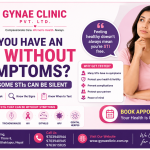
Some STIs also cause no symptoms, so feeling completely normal does not necessarily mean you are infection-free.
This guide explains when to consider STI testing after unprotected sex, what tests may be needed, when HIV PEP is urgent, and when you should see a gynecologist.
Quick Answer: When Should You Test for an STI After Unprotected Sex?
The timing depends on which STI is being tested for and which test is used.
A practical approach is:
| Time after unprotected sex | What to consider |
|---|---|
| Within 72 hours | If HIV exposure is possible, urgently ask about HIV PEP |
| About 1–2 weeks | Testing for some bacterial STIs may become useful, depending on exposure and test |
| Several weeks | Additional testing for infections such as syphilis may be recommended |
| 4–6 weeks or later | HIV testing becomes more informative depending on the test used |
| Later follow-up | Repeat testing may be recommended depending on the infection, test and exposure |
There is no universal “one test at one day” rule. Your healthcare professional can create a testing schedule based on your exposure and the tests available.
Why Can’t You Test Immediately for Every STI?
After an infection occurs, the body needs time before the infection or its markers become detectable.
This period is sometimes called the window period.
For example, CDC states that laboratory HIV antigen/antibody tests using blood from a vein can usually detect HIV 18–45 days after exposure, while HIV nucleic acid tests (NATs) can usually detect infection approximately 10–33 days after exposure. Antibody-only tests can take longer.
Therefore, a test performed immediately after sex can sometimes serve as a baseline, but it may not rule out an infection acquired from that recent encounter.
STI Testing Timeline After Unprotected Sex
1. The First 72 Hours: Think About HIV PEP
If the unprotected sex happened within the last 72 hours and HIV exposure is possible, don’t wait for routine STI testing.
Ask a healthcare professional about HIV post-exposure prophylaxis (PEP) immediately.
PEP works best when started as soon as possible and must be started within 72 hours of a potential HIV exposure. WHO recommends starting ideally within 24 hours when possible.
Important:
PEP is time-sensitive.
If you are within 72 hours, seek medical advice now rather than waiting for symptoms or a later STI test.
2. Around 1–2 Weeks: Consider Testing for Some Bacterial STIs
Depending on the exposure and test available, testing for infections such as:
- Chlamydia
- Gonorrhea
may be considered after an appropriate interval.
A healthcare professional can determine the most suitable timing.
Testing may involve:
- Urine
- Vaginal swab
- Cervical sample
- Throat swab
- Rectal swab
The site tested should reflect the type of sexual exposure. CDC notes that STI testing can involve blood, urine or swabs from the vagina, throat or rectum.
3. Several Weeks: Consider Follow-Up Testing
Some infections take longer to become detectable.
Syphilis, for example, is generally diagnosed with blood testing, and testing after a very recent exposure may require follow-up depending on the circumstances.
If you know that your sexual partner has been diagnosed with syphilis, do not simply wait for symptoms or rely on an early negative test. Sexual partners may need clinical evaluation and treatment depending on the timing and type of exposure.
4. HIV Testing: Timing Depends on the Test
HIV testing requires particular attention to the window period.
According to CDC:
- NAT: usually detects HIV approximately 10–33 days after exposure
- Laboratory antigen/antibody test: usually 18–45 days
- Rapid antigen/antibody test: approximately 18–90 days
- Antibody tests: approximately 23–90 days
These are typical detection windows, not guarantees for every individual.
If an HIV test is negative during the window period, repeat testing may be necessary according to the type of test used.
Can You Have an STI Without Symptoms?
Yes.
This is one of the biggest reasons STI screening matters.
Chlamydia, gonorrhea and other STIs can occur without obvious symptoms. CDC specifically notes that STIs often have no symptoms, meaning a person may not know they have an infection.
You don’t have to wait for:
- Vaginal discharge
- Pelvic pain
- Genital itching
- Burning urination
- Genital sores
- Bleeding after sex
before seeking advice.
What Symptoms Should You Watch For?
After unprotected sex, seek medical evaluation if you develop:
Unusual vaginal discharge
Especially discharge that is new, heavy, yellow, green or foul-smelling.
Burning while urinating
This can occur with an STI but can also be caused by a urinary tract infection.
Pelvic or lower abdominal pain
Pelvic pain may have many causes and should be evaluated when persistent or significant.
Pain during sex
Repeated pain during intercourse deserves gynecological assessment.
Bleeding after sex
This can have several causes, including cervical conditions and infections.
Bleeding between periods
Unusual bleeding should be assessed rather than assumed to be an STI.
Genital sores or blisters
These should be professionally examined.
Genital bumps or warts
New genital growths require evaluation.
Do not try to diagnose an STI based only on symptoms.
What STI Tests May Be Recommended?
Your doctor may recommend testing based on your sexual exposure, symptoms and medical history.
Chlamydia Test
Often performed using urine or a genital swab.
Gonorrhea Test
May use urine or genital samples and, depending on exposure, throat or rectal samples.
HIV Test
Usually performed using a blood test or other approved testing method.
Syphilis Test
Usually involves blood testing.
Hepatitis B and C Testing
May be recommended depending on risk factors and exposure.
Trichomoniasis Testing
May be considered when symptoms or risk factors make it appropriate.
You do not necessarily need every STI test after every episode of unprotected sex. Testing should be individualized.
What If My First STI Test Is Negative?
A negative result can be reassuring, but the timing of the test matters.
If the test was performed very soon after exposure, your healthcare professional may recommend repeating certain tests later.
For HIV specifically, CDC recommends repeat testing after the window period for the particular test used when an initial test was performed after a potential exposure.
So:
Early negative test ≠ always final negative result.
Follow the testing schedule recommended for your situation.
Should You Get Tested Even If Your Partner Says They Are STI-Free?
If there was unprotected sex and you are concerned about an STI, discussing testing with a healthcare professional is reasonable.
A partner may have:
- An undiagnosed infection
- An infection without symptoms
- An infection acquired before the current relationship
- A test that was performed before a more recent exposure
Testing provides information about your own health.
What If Your Partner Has an STI?
If your partner has been diagnosed with an STI, tell your healthcare professional.
You may need:
- STI testing
- Specific treatment
- Repeat testing
- Partner treatment
- HIV testing
- Syphilis testing
- Advice about preventing reinfection
For some infections, partners require evaluation or presumptive treatment depending on the circumstances.
What About Pregnancy?
STI testing and pregnancy testing are separate issues.
If pregnancy is possible and you do not want to become pregnant, emergency contraception may be an option.
Emergency contraception can be used within 5 days (120 hours) after unprotected intercourse, depending on the method, and it generally works better the sooner it is used.
It does not prevent STIs.
If your period becomes late, take an appropriate pregnancy test and speak with a healthcare professional if needed.
What If You Had Unprotected Sex Less Than 72 Hours Ago?
This is particularly important.
If HIV exposure may be possible:
Ask about HIV PEP immediately.
Do not wait for an STI test.
PEP is most effective when started as soon as possible and should not be started later than 72 hours after a potential exposure.
If pregnancy is possible:
Discuss emergency contraception promptly.
For STIs:
A healthcare professional can determine whether baseline testing is appropriate and when repeat testing should occur.
What If It Has Been More Than 72 Hours?
Don’t assume that you have missed your opportunity for medical care.
You can still discuss:
- STI testing
- HIV testing
- Pregnancy testing
- Follow-up testing
- Symptoms
- Prevention
- Partner management
PEP, however, is generally not recommended when more than 72 hours have passed, so urgent assessment is especially important when the exposure is recent.
Can You Test for an STI the Next Day?
You can seek medical advice and, in some circumstances, have baseline testing.
However, a test performed the day after exposure cannot reliably rule out every infection acquired from that exposure because infections have different window periods.
This is why follow-up testing may be recommended.
Should Women Get an STI Test Before Pregnancy?
If you are planning pregnancy and have had:
- Unprotected sex
- A previous STI
- A partner with an STI
- Multiple or new sexual partners
- Previous PID
- Unexplained fertility concerns
discuss sexual health screening with your gynecologist.
CDC recommends STI screening during pregnancy based on the infection, age, risk factors and clinical circumstances.
Don’t Take Antibiotics Without Testing or Medical Advice
Some women take antibiotics immediately after unprotected sex because they are worried about an STI.
This is not recommended as a substitute for proper diagnosis.
Different infections require different treatment, and inappropriate antibiotic use can cause side effects and contribute to antimicrobial resistance.
Get medical advice and take medication only when appropriately prescribed.
A Simple Guide to Remember
Unprotected sex today
Think about:
Pregnancy prevention + HIV PEP + medical advice
Within 1–2 weeks
Discuss appropriate testing for bacterial STIs such as chlamydia and gonorrhea.
Several weeks later
Follow up for infections that may require a longer window period, such as syphilis, according to your clinician’s advice.
HIV
The correct testing time depends on the test used. Laboratory antigen/antibody tests can usually detect HIV from 18–45 days, while other tests have longer windows.
Symptoms at any time
Don’t wait for the planned testing date. See a healthcare professional.
When Should You See a Gynecologist?
Consider a confidential consultation if:
- You had unprotected sex
- A condom broke
- Your partner has an STI
- You don’t know your partner’s STI status
- You have STI symptoms
- You are worried about HIV
- You are concerned about pregnancy
- You want an STI screening
- You had a previous STI
- You are planning pregnancy
- You have pelvic pain or abnormal vaginal discharge
STI Testing After Unprotected Sex in Bhaktapur
If you are searching for:
“STI test after unprotected sex in Bhaktapur”
“STI testing in Bhaktapur”
“confidential STI test in Bhaktapur”
“STI screening for women in Bhaktapur”
or
“gynecologist for STI testing in Bhaktapur,”
Gynae Clinic Pvt. Ltd. provides confidential women’s sexual and reproductive healthcare.
Women can discuss concerns related to:
- STI screening
- Chlamydia testing
- Gonorrhea testing
- HIV testing
- Syphilis testing
- Genital symptoms
- Vaginal discharge
- Pelvic pain
- Sexual health
- Pregnancy concerns
- Pre-pregnancy health
Frequently Asked Questions
How soon after unprotected sex can I get an STI test?
You can seek medical advice immediately, but the ideal testing time depends on the infection and test. Some infections may require testing after an appropriate window period and repeat testing.
Is an STI test accurate after 1 day?
Not necessarily. Some infections may not yet be detectable one day after exposure.
When should I test for chlamydia and gonorrhea?
Testing may be considered after an appropriate interval, often around the first 1–2 weeks, depending on the exposure and test used. Your clinician can recommend the most appropriate timing.
When should I test for HIV?
It depends on the test. A laboratory antigen/antibody test can usually detect HIV 18–45 days after exposure, while NATs may detect it earlier.
What if I had unprotected sex yesterday?
Seek advice promptly. If HIV exposure is possible, PEP must be started within 72 hours, and pregnancy prevention may also need to be considered.
Can I have an STI without symptoms?
Yes. Many STIs can be asymptomatic.
Should I repeat an STI test?
Sometimes. Repeat testing depends on the infection, timing of the original test, exposure and treatment.
Final Takeaway
If you had unprotected sex, don’t wait for symptoms before thinking about STI testing.
The right approach is:
Assess the exposure → consider pregnancy risk → consider HIV PEP within 72 hours if appropriate → test at the appropriate time → repeat testing when recommended.
Most importantly, an STI test performed too early may not detect a very recent infection. Testing should therefore be planned according to the specific infection and test being used.
If you are worried after unprotected sex, confidential medical advice can help you understand exactly which tests you need and when you should take them.
Gynae Clinic Pvt. Ltd. — Confidential Women’s Sexual Health Care in Bhaktapur
Address: Bode Planning, Madhyapur Thimi-9, Pani Tanki, Bhaktapur, Nepal
Website: www.gynaeclinic.com.np
Contact: 9703940944, 9703940945, 9763615835
Confidential STI testing, sexual health and gynecological consultation for women in Bhaktapur.
Medical Disclaimer: This article is for educational purposes and does not replace an individual medical consultation. STI testing windows vary according to the infection, exposure, test method and treatment received. If a potential HIV exposure occurred within the last 72 hours, seek urgent medical advice regarding PEP.
Author; Gynae Clinic Pvt. Ltd.